Illuminating Freedom: A radiant guide to mastering off-grid solar systems
If you have ever daydreamed about cutting the cord, ditching the crushing weight of a mortgage, and waking up in a sun-drenched cabin powered entirely by nature, you are not alone. But usually, that dream hits a brick wall the moment you try to figure out the difference between a string inverter and a MPPT charge controller.
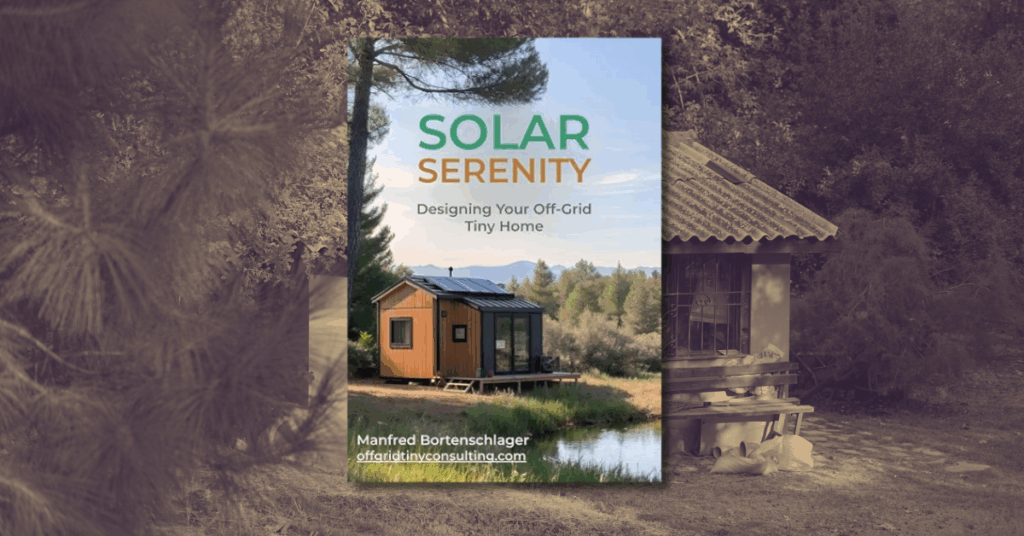
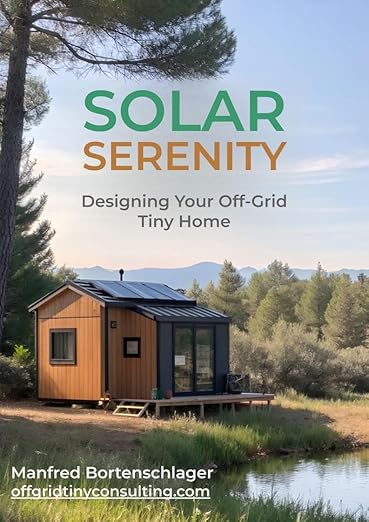
Manfred Bortenschlager’s Solar Serenity: Designing Your Off-Grid Tiny Home is the sledgehammer that breaks through that wall. It is a technical manual wrapped in a philosophy of freedom, designed to turn your anxiety about electricity into pure empowerment.
Table of Contents
Bridging the Gap Between Dream and Diagram
The core concept of this book is simple but profound: true autonomy requires understanding your energy. Bortenschlager, a tiny house enthusiast living on the border of Spain and France, doesn’t just sell you the romance of the lifestyle; he hands you the multimeter and shows you how to make it work. This isn’t a coffee table book filled with pretty pictures of A-frames (though it has some great case studies); it is a functional roadmap for designing off-grid solar systems that actually keep the lights on when winter hits.
What makes Solar Serenity unique in the crowded “tiny living” genre is its refusal to dumb down the science while remaining incredibly accessible. It acknowledges that living tiny isn’t just about aesthetics—it is about math. The book meticulously walks you through conducting a personal “Energy Audit,” forcing you to confront your consumption habits before you ever buy a solar panel.
From Watts to Well-Being: The Off-Grid Solar Systems Playbook
I was genuinely impressed by the technical depth here. The book dives into the “Holy Trinity” of solar—panels, inverters, and batteries—with refreshing clarity. It explains why LiFePO4 (Lithium Iron Phosphate) batteries have become the gold standard over lead-acid , and why a hybrid inverter might be the best friend a minimalist ever had.
The “DIY Solar Installation” chapter is where the book truly shines. It moves from abstract theory to concrete action, detailing everything from site assessment to the specific wiring of a 48V system. The inclusion of a specific case study—a setup requiring 3,945 Wh daily—grounds the theory in reality.
But the book isn’t cold engineering; it explains the emotional resonance of “Solar Serenity.” There is a beautiful undercurrent of philosophy here—the idea that minimalism isn’t about deprivation, but about clearing space for “big joy”. Bortenschlager argues that understanding your energy consumption connects you to nature in a way that flipping a switch in a suburban grid-tied home never could.
Who Should Read This?
This is essential reading for aspiring tiny house owners, van-lifers, and anyone looking to build a cabin in the woods who doesn’t have an electrical engineering degree.
If you are intimidated by the thought of wiring your own home but refuse to pay a contractor $30,000 to do it for you, this book is your new bible.
It is perfect for the pragmatist who wants to know the ROI of their setup, but also for the dreamer who wants to live in harmony with the seasons.
It is rare to find a technical guide that feels this personal. Solar Serenity doesn’t just teach you how to install off-grid solar systems; it teaches you how to take responsibility for your own existence.